Why Cold Chain Matters
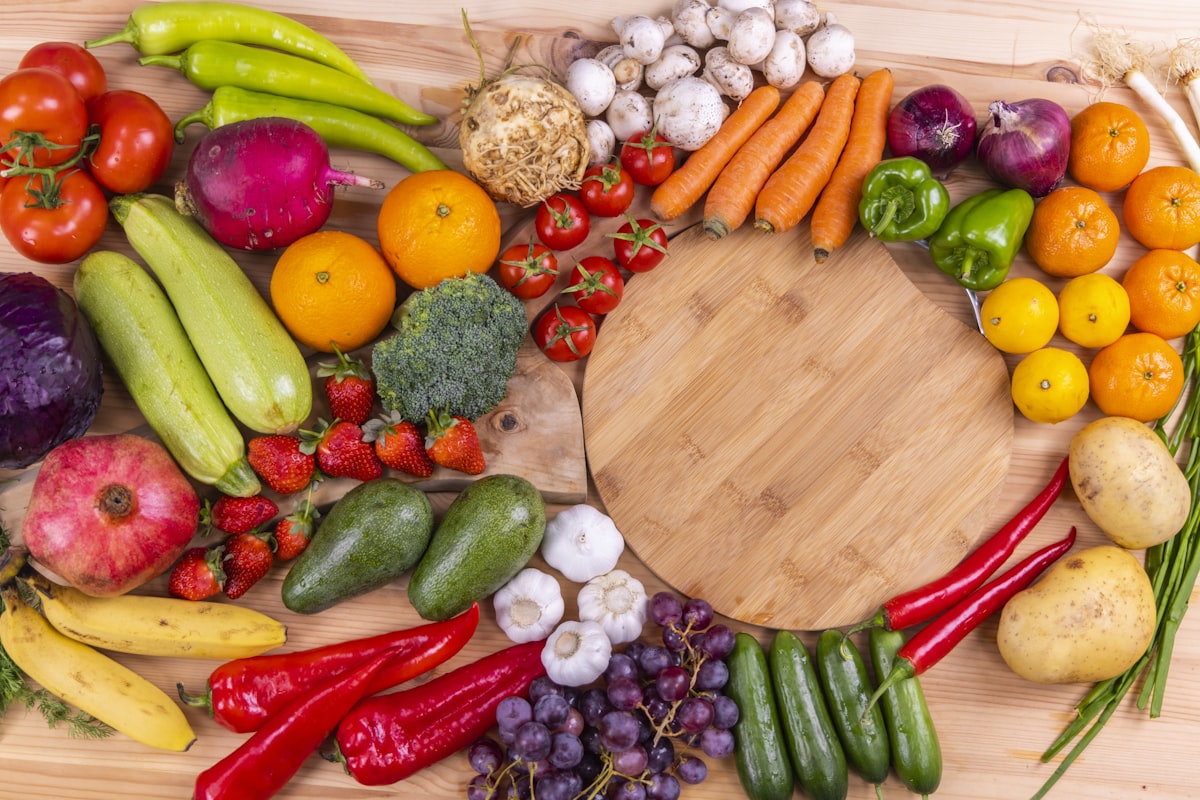
Fresh produce begins deteriorating the moment it's harvested. Proper cold chain management can extend shelf life by 500-1000%, making the difference between profit and loss on EU exports.
Pre-Cooling: The First Critical Step
Rapidly reduce the temperature of harvested produce within 2-4 hours. Methods include:
- Forced-air cooling: Best for berries, leafy greens
- Hydro-cooling: Ideal for root vegetables
- Room cooling: Lower cost but slower, suitable for heartier produce
Optimal Storage Temperatures
| Produce | Temperature | Humidity |
|---|---|---|
| Leafy greens | 0-2°C | 95-100% |
| Tomatoes | 10-12°C | 90-95% |
| Avocados | 5-13°C | 85-90% |
| Green beans | 7-10°C | 95% |
Transport Considerations
Refrigerated Containers (Reefers)
Essential for air and sea freight. Key features:
- Precise temperature control (±0.5°C)
- Humidity management systems
- Air circulation for ethylene removal
- Real-time monitoring systems
Common Mistakes to Avoid
- Temperature breaks: Even one hour at ambient temperature can cause irreversible damage
- Incompatible products: Don't mix ethylene producers (avocados) with sensitive items (leafy greens)
- Poor air circulation: Ensure proper spacing in containers
- No backup plan: Have contingencies for equipment failure
Technology Solutions
Modern tools available to African exporters:
- IoT temperature sensors with SMS alerts
- Blockchain-based cold chain tracking
- Automated data logging for compliance
Cost-Benefit Analysis
While cold chain infrastructure requires investment, the returns are substantial:
- 50-70% reduction in post-harvest losses
- Extended market reach (can target distant EU markets)
- Premium prices for superior quality
- Reduced rejection rates at EU borders